media.think.tank
Conference for Innovation, Knowledge Transfer and Networking in the Film and Media Industry
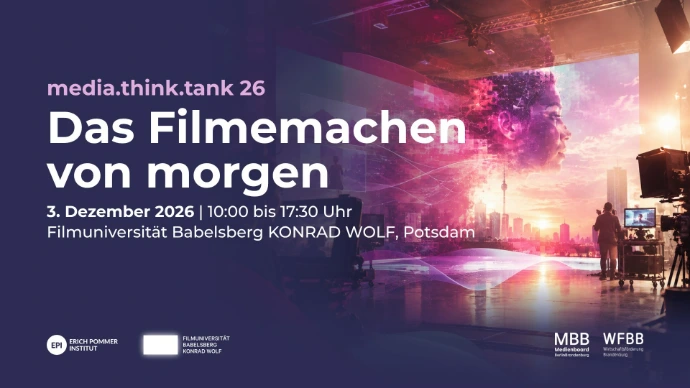
media.think.tank 26: Das Filmemachen von morgen
Donnerstag, 3. Dezember 2026 | 10:00 bis 17:30 Uhr
Filmuniversität Babelsberg KONRAD WOLF, Potsdam
Unser neuester Inhalt
Sehen Sie sich an, was es in unserem Unternehmen Neues gibt!
Stehen wir am Anfang einer neuen Produktionslogik? Neue Technologien, KI und veränderte Marktstrukturen verändern, wie Filme entwickelt, produziert und verwertet werden. Beim fünften media.think.tank diskutieren wir mit Expert*innen aus Produktion, Studios, Wissenschaft und Technologie, was das für Wertschöpfung, Unternehmen und den Medienstandort Berlin-Brandenburg bedeutet. Am Nachmittag geht es in die Praxis: In drei Zukunftssprints entwickelt Ihr gemeinsam konkrete Modelle und Handlungsoptionen.
Der media.think.tank 26 ist eine gemeinsame Veranstaltung des Erich Pommer Instituts und der Filmuniversität Babelsberg KONRAD WOLF, gefördert vom Medienboard Berlin-Brandenburg und unterstützt von der Wirtschaftsförderung Land Brandenburg GmbH (WFBB).
Das Programm 2026
Filmuniversität Babelsberg KONRAD WOLF | Marlene-Dietrich-Allee 11 | Foyer
Filmuniversität Babelsberg KONRAD WOLF | Kinosaal
Stehen wir am Anfang einer neuen Produktionslogik?
Martin Moszkowicz eröffnet den media.think.tank mit der Frage, die hinter der Technikdebatte steht. Was KI alles kann, ist inzwischen bekannt. Offen ist, wer künftig festlegt, unter welchen Bedingungen Filme entstehen und ausgewertet werden. Er beschreibt, wie sich Produktionsmodelle, Kosten und Marktmacht gerade verschieben, was das für Produzenten, Kreative und technische Dienstleister in Europa bedeutet und wo die Branche selbst handeln muss, statt auf Regulierung oder auf die großen Plattformen zu warten. Aus mehr als 300 Produktionen und seiner heutigen Arbeit als unabhängiger Produzent zieht er ein Plädoyer für eigene Infrastruktur und für Projekte, auf die eine Maschine nicht kommt.
Das Future Business Forum bringt unterschiedliche Perspektiven aus Produktion, Streaming und neuen Mediengeschäftsmodellen zusammen und diskutiert, wie sich wirtschaftliche Machtverhältnisse und strategische Wettbewerbsvorteile verändern.
Mit:
- Martin Moszkowicz, Transcontinental Entertainment Studios
- Yelda Türkmen, We Are Era
Moderation: Prof. Thomas Petzold, Ph.D., Media University of Applied Sciences
30-Min im Foyer
Künstliche Intelligenz, neue Technologien und automatisierte Workflows verändern die Herstellung audiovisueller Inhalte. Doch was bedeutet das konkret für den Produktionsalltag? Welche Aufgaben und Prozesse verändern sich, und welche Entscheidungen bleiben menschlich?
Das Future Production Forum bringt Perspektiven aus Studio, Produktion, Regie und Technologie zusammen und diskutiert, wie veränderte Arbeitsabläufe, Rollen und kreative Prozesse die Filmherstellung der Zukunft prägen.
mit:
- Orkun Aydinli, Chunky Panda
- Jörg Bachmaier, Studio Babelsberg
- Sarika Lakhani, X-Filme
- Shamila Lengsfeld, Regisseurin, AI Filmmaker
Moderation: Anna de Paoli, Filmuniversität Babelsberg KONRAD WOLF
Welche Medienunternehmen werden künftig erfolgreich sein? Wie verändern Künstliche Intelligenz, neue Technologien und Automatisierung die Organisation und Geschäftsmodelle von Medienunternehmen? Welche Strukturen, Kompetenzen und strategischen Entscheidungen werden künftig entscheidend sein?
mit:
- Dominik Böhm, Chapter41
- Gunnar Dedio, LOOKsfilm
- Christian Rohde, UFA
Moderation: Prof. Dr. Sabrina Scharpen, Berliner Hochschule für Technik
60-Min im Foyer
Aufbauend auf den Diskussionen des Vormittags entwickeln die Teilnehmenden in drei parallel stattfindenden Zukunftssprints konkrete Lösungsansätze, Anwendungsbeispiele und Umsetzungsstrategien für Medienunternehmen.
Sprint 1: Die Produktionsfirma der Zukunft, mit John Sherwood
Sprint 2: Build Your AI Agent, mit Timor Kardum
Sprint 3: KI-Roadmap für Medienunternehmen, mit Prof. Dr. Sabrina Scharpen
Mögliche Ergebnisse: Priorisierte Use Cases | Voraussetzungen | Kompetenzbedarf | 90-Tage-Aktionsplan
Vorstellung der Ergebnisse und Verdichtung zentraler Erkenntnisse aus den Zukunftssprints.
mit:
- John Sherwood
- Timor Kardum
- Prof. Dr. Sabrina Scharpen
60-Min im Foyer
*Programmänderungen vorbehalten.
Die Expert*innen 2026
Mit diesen Expert*innen aus Produktion, Studios, Wissenschaft und Technologie diskutiert Ihr die Zukunft des Filmemachens.

Orkun Aydinly
Chunky Panda | Co-Founder, CTO, and Creative Technologist
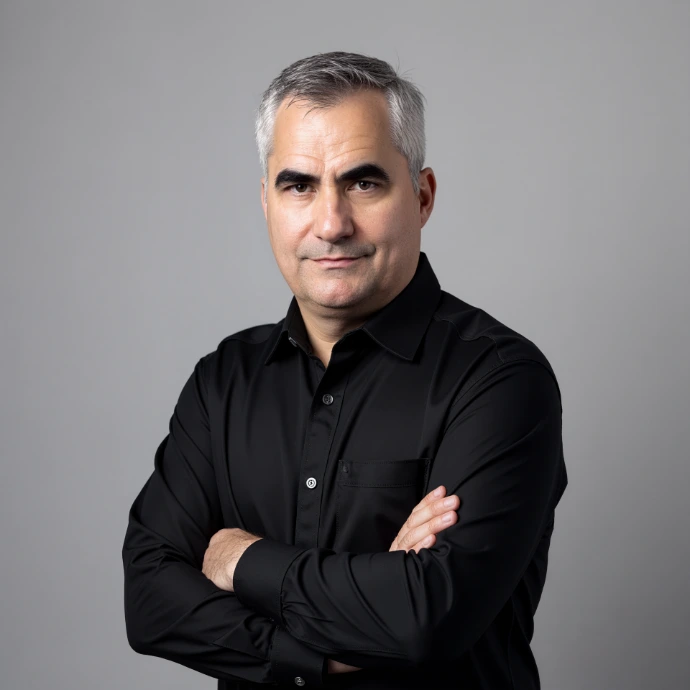
Jörg Bachmaier
Jörg Bachmaier wurde in Deutschland geboren und legte sein juristisches Staatsexamen an der Universität Heidelberg ab.

Dominik Böhm
Gunnar Dedio
Aus diesem Grund und aus seiner persönlichen Leidenschaft für Film- und Fotoarchive übernahm Dedio 2019 PROGRESS, eines der größten Archive Europas. Es umfasst neben anderen Sammlungen das gesamte Filmerbe der DDR – Tausende bislang ungesehene Schätze aus dem Leben östlich des Eisernen Vorhangs. PROGRESS digitalisiert Film- und Fotosammlungen aus aller Welt und macht sie mithilfe menschlicher und künstlicher Intelligenz über die Plattform www.progress.film der internationalen Filmschaffenden-Community zugänglich.
Seit 2025 gehört mit wave-line auch ein professioneller Anbieter für Postproduktion zur Unternehmensgruppe
Zu Dedios wichtigsten Produktionen zählen „Afghanistan. The Wounded Land“ (Grimme-Preis 2021), „Kids of Courage“ (2020 unter anderem für den Grimme-Preis und die International Emmy Awards nominiert), „Clash of Futures“ (CIVIS Medienpreis), „14 – Diaries of the Great War“ (Robert-Geisendörfer-Preis), „Life Behind the Wall“ (Grimme-Preis), sowie die Kino-Filme und „Hannah Arendt. Denken ist Gefährlich“ und von Sergei Loznitsa „The Natural History of Destruction“ und „ Zwei Staatsanwälte“
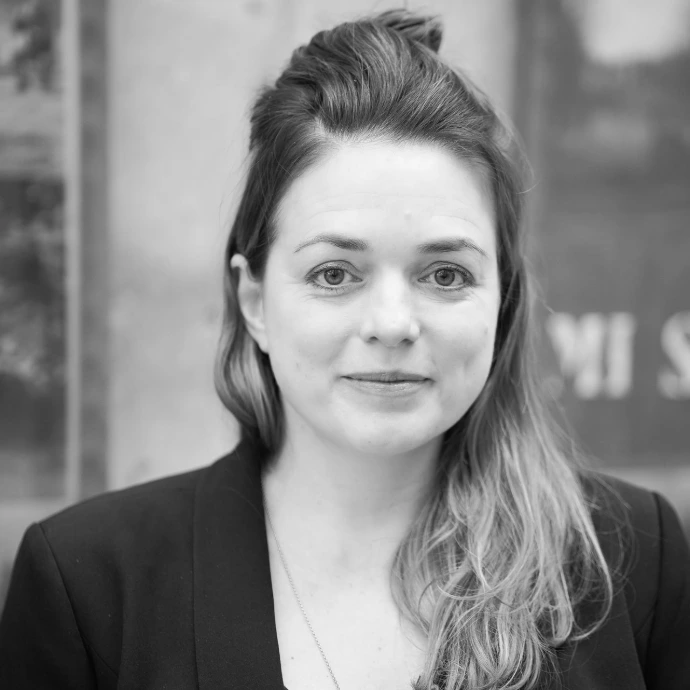
Anna de Paoli
Für ihre Boutique-Firma Schattenkante produziert sie einzigartige Auteur-Genre-Filme wie DER SAMURAI (Regie: Till Kleinert) sowie A YOUNG MAN WITH HIGH POTENTIAL und DR. KETEL (beide Regie: Linus de Paoli). Ihre Filme waren auf A-Festivals weltweit vertreten und gewannen Preise wie den German Independence Award, den Silver Méliès und die Goldene Lola für den besten Kurzfilm (KOKON von Till Kleinert und Tom Akinleminu). Gemeinsam mit Eva Lia Reinegger führte sie Regie beim Dokumentarfilm 24 HOURS SCHLESISCHES TOR.
Sie lebt mit ihrer Familie in Berlin.
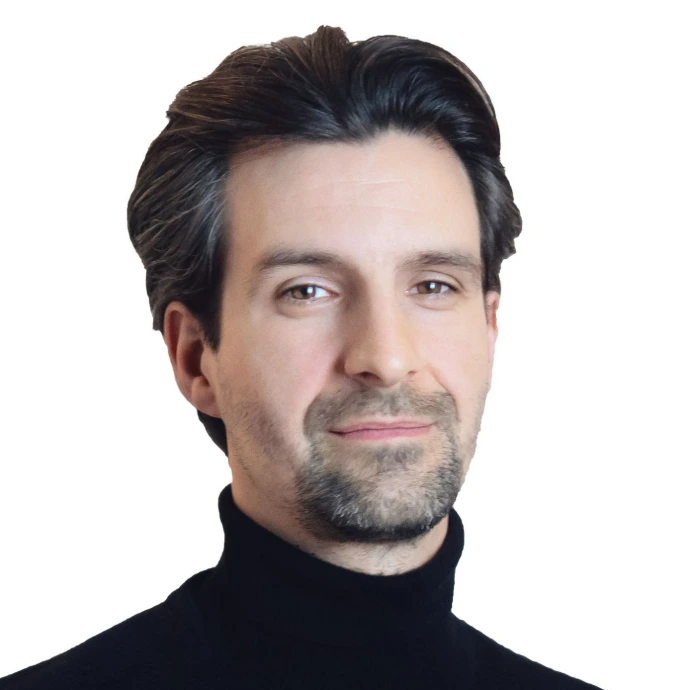
Timor Kardum
Er ist Technologe an der Schnittstelle von Filmproduktion und künstlicher Intelligenz. Er gründete und leitete OMSTUDIOS, ein führendes Berliner Medienproduktionshaus, in dem er VFX-, VR/AR- und Virtual-Production-Projekte verantwortete. In dieser Zeit arbeitete er an internationalen Produktionen mit Größen wie George Clooney, den Wachowskis und dem Fast-&-Furious-Franchise.
Für die Automatisierung von VFX-Workflows erhielt er den Autodesk Shotgun Pipeline Award. Seine OMCOPTER-Drohne, die erste professionelle Kameradrohne der Welt, wurde für einen Technical Academy Award in Betracht gezogen.
Als VP of Technology bei PwC EC gründete und leitete Timor die AI Unit und verantwortete die KI- und XR-Initiativen für große Industriekunden.
Aktuell leitet er die AI Masterclass in Babelsberg, die Spielfilm- und Serienproduktionen mit generativer KI unterstützen soll. Außerdem baut er agentische Film-Pipelines und gibt sein Wissen in KI-Workshops an Filmschaffende verschiedener Gewerke weiter.
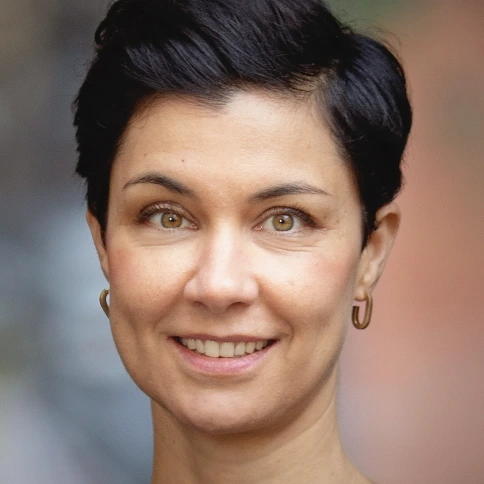
Sarika Hemi Lakhani
Im Rahmen von „Deutschland 09“ wurde sie Teil des von Marie Steinmann und Tom Tykwer initiierten Projekts „Soul Boy“, aus dem ONE FINE DAY FILMS hervorging. Über 18 Jahre entwickelte und leitete sie die vielfach ausgezeichnete Produktionsfirma, realisierte internationale Kinofilme und schuf mit SOME FINE DAY PiX innovative Ausbildungs- und Förderprogramme für Filmschaffende.
Ihre Arbeit ist geprägt von Neugier, Experimentierfreude und dem Anspruch, Bestehendes immer wieder neu zu denken. Sie verbindet kreative Visionen mit unternehmerischem Mut, hinterfragt etablierte Strukturen und sucht gezielt nach neuen Formen der Zusammenarbeit, des Erzählens und Produzierens.
Seit 2025 produziert Sarika Lakhani für X Filme Creative Pool in Berlin.
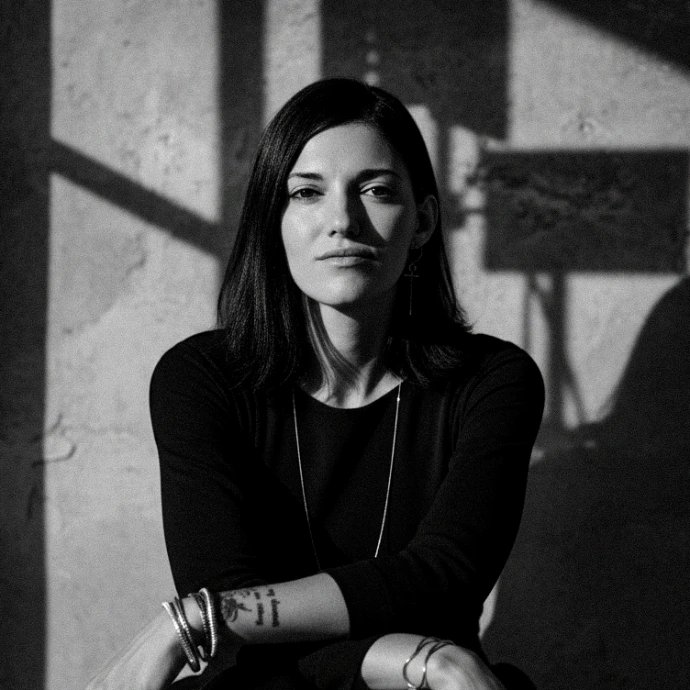
Shamila Lengsfeld
In ihren eigenen Projekten erforscht sie, wie neue Technologien das visuelle Erzählen verändern und Filmschaffenden neue künstlerische Freiheiten eröffnen können. Ein besonderer Fokus ihrer Arbeit liegt auf Diversität, Repräsentation und der Frage, wer die Geschichten der Zukunft erzählt.
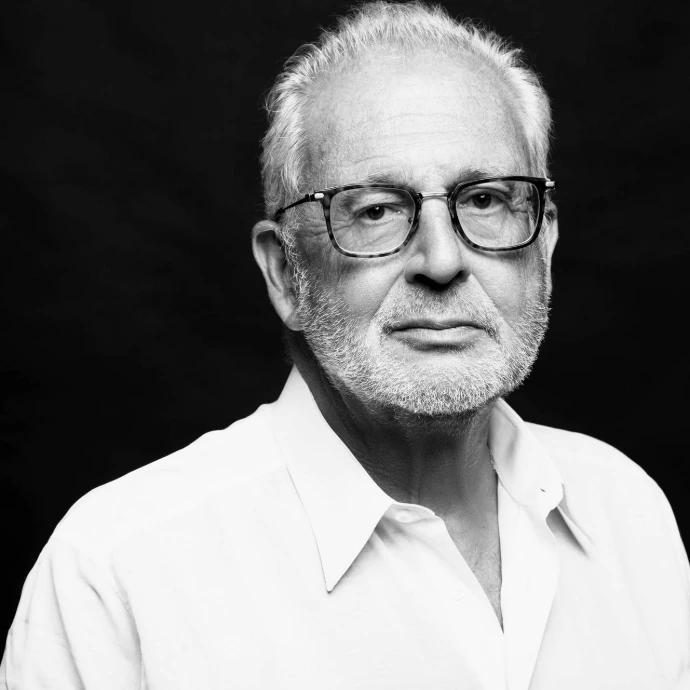
Martin Moszkowicz
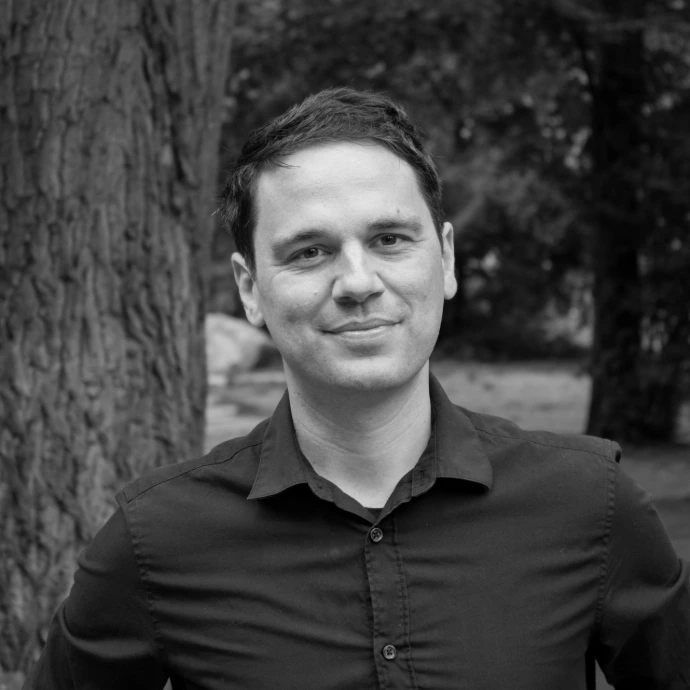
Prof. Thomas Petzold, Ph.D.
Prof. Thomas Petzold, Ph.D., is Professor of Management and Innovation and Head of the Department of Management and Business Studies at the Media University in Berlin. His research combines network research, media economics and organisational science. It focuses on how digital platforms and networked structures are transforming value creation, economic power relations and the innovative capacity of companies.
He obtained his PhD from the Queensland University of Technology in Australia and has conducted research at institutions including the Berlin Social Science Centre. He has presented his research on global knowledge networks at events such as TEDxBerlin.
At media.think.tank 2026, he will chair the Future Business Forum on the future of value creation and business models in the media industry.
Christian Rohde
Prof. Dr. Sabrina Scharpen
Prior to her appointment at the BHT, she served as a visiting professor of Creative Producing on the Film and Television Production programme at the KONRAD WOLF Film University Babelsberg from 2021 to 2024. In parallel with this, and prior to that, she played a key role in shaping the digital transformation of the public service media landscape: at ZDF, she headed the AI portfolio within the Programming, Planning and Distribution division and served as deputy head of the Technology department. She was also lead for format development for the ZDFmediathek as well as for third-party platforms such as YouTube, TikTok, Instagram, Snapchat and Spotify.
Sabrina Scharpen began her career as a journalist and filmmaker before co-managing the youth programming of ARD and ZDF (funk) as deputy head of programming. She developed and produced numerous socially relevant documentaries, documentary series, reports, as well as shows, comedy and TV formats, which have won numerous awards – including the Grimme Prize and the Golden Camera, as well as several nominations for the German Television Award. Most recently, as part of the international research project ‘Public Spaces Incubator’ – a collaboration between ZDF, CBC/Radio-Canada, RTBF, SRG SSR and the NGO New Public – she spearheaded the development of open-source modules for constructive digital debate spaces.
John Sherwood

Prof. Dr. Susanne Stürmer
Yelda Türkmen
Tickets
- Regulär: 119 €
- Studierende der Filmuniversität Babelsberg: 10 € (Rabattcode über conference@epi.media)
- Pressevertreter*innen können sich kostenfrei akkreditieren. Bitte wenden Sie sich an conference@epi.media.
Verpflegung inklusive.
Jetzt anmeldenPlatform for Exchange and Future Topics
The media.think.tank brings together experts from industry, politics, and science every two years to discuss current developments and future topics.
The media.think.tank is a conference for knowledge transfer and networking at the intersection of media, technology, and politics. Together with the Film University Babelsberg KONRAD WOLF, the Erich Pommer Institut organises a platform that focuses on current developments in the film and media industry.
Experts from practice, research, and politics discuss key challenges and present perspectives for the future of audiovisual content.

Photo: MTT 2024 | EPI © Melanie Macher
Key Topics
Technological developments in the media industry
Artificial Intelligence & Big Data
Production processes & innovation
Monetisation & new business models
Opportunities, risks, and responsibility
What to expect
Keynotes
Leading experts from industry, academia, and politics provide informed insights into current developments surrounding media, technology, and innovation. They contextualise trends, present perspectives, and offer impulses for practice.
Panels
Interdisciplinary discussions bring together different perspectives and illuminate key questions from legal, economic, and creative viewpoints. The exchange allows for a deeper understanding of complex developments.
Networking
The media.think.tank creates space for personal exchange and new connections between industry players. In an informal atmosphere, conversations, collaborations, and new impulses for future projects emerge.
Unser neuester Inhalt
Sehen Sie sich an, was es in unserem Unternehmen Neues gibt!

Outlook 2026
The next edition of media.think.tank will take place on 3 December 2026 at the KONRAD WOLF Film University Babelsberg. The focus will be on issues relating to the future of filmmaking. media.think.tank thus remains a key platform for discussion on the future of audiovisual media production.
The media.think.tank at a glance
Since 2018
Established as a platform for exchange on future topics
mtt 2024
Focus on generative AI and Big Data
Thematic focus: Developments, opportunities and risks of generative AI and Big Data in the production of audiovisual content and an overview of current AI tools.
mtt 2026
The next edition will be on 3 December 2026
Focus on the future of filmmaking
Insights into the latest issues
mtt 2022
Skilled professionals, new work models and technologies
The 2022 edition focused on skills shortages, new working models and technological developments in film production. Topics discussed included innovative recruitment strategies, diversity, and the impact of new technologies on professions and working structures.
Workshops and panel discussions provided an opportunity for direct discussion on topics such as virtual production, new ways of working and future skills requirements.
mtt 2022 - Download programme [DE]

mtt 2024
Generative AI in the production process
media.think.tank.24 focused on the development and application of AI technologies throughout the entire audiovisual media production process – from content development to distribution.
Through keynote speeches, panel discussions, case studies and roundtable sessions, participants gained practical insights into the use of generative AI, learnt about specific examples of its application, and engaged in interdisciplinary discussions on the opportunities, risks and potential solutions.
With around 130 participants and 30 experts, the conference provided a platform for in-depth discussion between industry, academia and the political sphere.
mtt 2024 - Download programme [DE]


The media.think.tank examines technological developments along the entire value chain – from development through production and post-production to distribution and marketing.


Partners & Sponsors
The media.think.tank is realised in collaboration with strong partners from the media and innovation landscape.


